
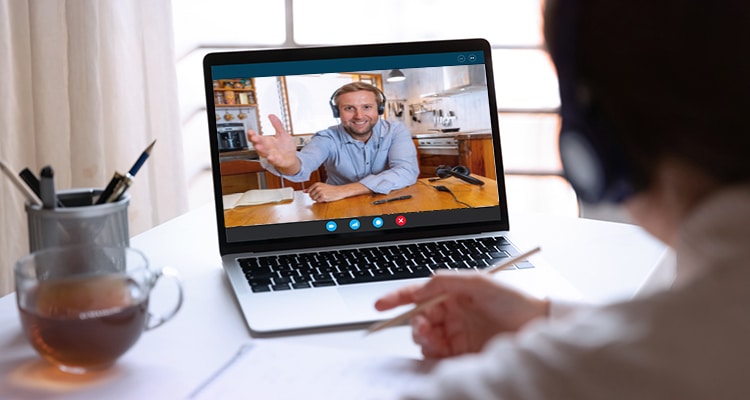
Remote high ticket closing jobs are rapidly shaping the modern digital sales landscape, offering professionals the ability to earn substantial income while working entirely online. This career path is centered around selling premium products or services through structured conversations, typically conducted over Zoom, phone calls, or digital communication platforms. Businesses across multiple industries rely on skilled closers to convert qualified leads into paying clients without requiring physical meetings. The appeal of this profession continues to grow as companies shift toward remote-first sales operations and performance-based hiring models. Many professionals are drawn to this field due to its flexibility, income potential, and skill-driven advancement opportunities. Understanding how remote high ticket closing jobs function is essential for anyone considering entering this high-performance sales environment. The following sections break down everything needed to navigate and succeed in this evolving career path.
What Remote High Ticket Closing Jobs Are and Why They Matter
Remote high ticket closing jobs revolve around selling high-value products or services entirely through virtual communication channels. These offers often include coaching programs, consulting packages, software solutions, or business development services that can range from thousands to tens of thousands in value. The role of the closer is to guide qualified prospects through a decision-making process that helps them determine whether the offer aligns with their goals. Unlike traditional sales roles, closers do not usually cold-call or chase leads, as marketing systems already generate and qualify potential clients.
These jobs matter because they bridge the gap between marketing efforts and revenue generation. Without skilled closers, many businesses would struggle to convert interest into actual sales. The effectiveness of remote high ticket closing jobs directly impacts a company’s profitability and growth trajectory. This is why businesses invest heavily in training and retaining high-performing closers. The demand for this role continues to rise as digital products and services expand across global markets.
Remote high ticket closing jobs also empower individuals to build income streams independent of physical location. This flexibility has made the profession especially attractive to people seeking remote work opportunities. It also allows professionals to operate in multiple industries without being tied to one geographic region. As a result, the career offers both financial and lifestyle advantages that are difficult to replicate in traditional employment structures.
How Remote High Ticket Closing Jobs Operate in Modern Sales Systems
The structure behind remote high ticket closing jobs is built on a streamlined sales funnel that integrates marketing, appointment setting, and closing stages. Each stage is designed to ensure that the closer only engages with qualified prospects who have shown interest in a specific offer. This system increases efficiency and improves conversion rates significantly.
Core workflow breakdown
-
Marketing teams generate leads through ads, content, and outreach
-
Appointment setters qualify and schedule sales calls
-
Closers conduct structured conversations with prospects
-
CRM systems track progress and performance metrics
-
Follow-up sequences nurture undecided leads
In remote high ticket closing jobs, the closer’s primary responsibility is execution during the sales conversation phase. They must understand the prospect’s pain points, goals, and motivations while aligning them with the product or service being offered. These conversations are not random; they follow a strategic structure designed to build trust and guide decision-making. The process relies heavily on emotional intelligence, timing, and communication clarity.
The modern sales ecosystem also emphasizes data tracking. Closers are evaluated based on conversion rates, call outcomes, and revenue generated. This data-driven environment allows companies to optimize performance and scale their operations effectively. As a result, remote high ticket closing jobs are both structured and highly measurable.
Core Responsibilities in Remote High Ticket Closing Jobs
Professionals in remote high ticket closing jobs carry out a set of focused responsibilities that directly influence sales performance. These responsibilities require discipline, communication skill, and strategic thinking.
Closers are expected to lead discovery calls that uncover a prospect’s needs and challenges. They must guide conversations in a way that builds trust while maintaining control of the discussion. A major part of the role involves identifying objections early and addressing them in a confident, value-driven manner.
They are also responsible for presenting offers in a clear and compelling way. This requires aligning the product’s benefits with the client’s personal or business goals. The ability to translate features into meaningful outcomes is essential in this role. Follow-ups also play a key part, especially when prospects are not ready to commit during the first call.
Remote high ticket closing jobs require constant communication with internal teams such as appointment setters and marketing departments. This ensures alignment across the entire sales process. Closers also maintain CRM systems to track deals, monitor pipeline progress, and analyze performance trends.
Skills Needed to Succeed in Remote High Ticket Closing Jobs
Success in remote high ticket closing jobs depends on a combination of interpersonal, analytical, and technical skills. While experience helps, many professionals develop these skills through training and consistent practice.
Key skill areas
-
Communication and articulation in live conversations
-
Emotional intelligence for understanding buyer behavior
-
Objection handling and negotiation techniques
-
Confidence under pressure during sales calls
-
Time management and structured daily workflows
Developing these skills allows closers to perform consistently in high-pressure environments. Strong communication is particularly important, as the entire role revolves around conversations. Emotional intelligence helps closers identify underlying motivations that influence purchasing decisions.
Another critical skill is adaptability. Each prospect is different, and successful closers adjust their approach based on personality, objections, and level of awareness. Analytical thinking also plays a role in understanding patterns in sales performance and improving conversion strategies.
Remote high ticket closing jobs reward individuals who are coachable and willing to refine their approach over time. Continuous learning is a defining factor in long-term success within this field.
Tools and Systems Used in Remote High Ticket Closing Jobs
Technology plays a central role in supporting remote high ticket closing jobs. These tools help streamline communication, track performance, and manage client relationships efficiently.
Closers typically rely on CRM platforms to organize leads and monitor sales pipelines. Video conferencing tools are essential for conducting live calls with prospects. Scheduling systems ensure smooth coordination between appointment setters and closers. Call recording software is often used to review performance and identify areas for improvement.
Common tools used in daily operations
-
Customer relationship management platforms
-
Calendar and scheduling systems
-
Call tracking and recording tools
-
Internal communication platforms
These tools create a structured environment where performance can be measured accurately. They also help teams collaborate effectively across different time zones and locations. In remote high ticket closing jobs, technology is not optional; it is an essential part of daily operations.
How to Find Remote High Ticket Closing Jobs
Finding opportunities in remote high ticket closing jobs requires a combination of job search strategies and networking efforts. Many positions are not always advertised on traditional job boards, making proactive outreach important.
Professionals often begin by exploring remote job platforms that specialize in sales roles. LinkedIn is another powerful tool for connecting with hiring managers and companies actively recruiting closers. Some individuals also join sales communities where job opportunities are regularly shared.
Direct outreach to companies in coaching, SaaS, and consulting industries can also be effective. Many businesses in these sectors require closers but may not actively advertise positions. Training programs and mentorship systems sometimes place graduates directly into remote high ticket closing jobs after skill development.
Persistence and consistency are key when searching for these roles. Building visibility within sales communities can significantly improve hiring chances over time.
Earnings Potential and Compensation Models
Remote high ticket closing jobs are known for their performance-based income structures. Most roles are commission-driven, meaning earnings are directly tied to sales performance. This creates a high-income potential for skilled professionals.
Compensation structures vary depending on the company and industry. Some roles offer base pay plus commission, while others rely entirely on commission-based earnings. High ticket deals often result in substantial commissions per sale due to the value of the products or services involved.
Income potential depends on several factors such as conversion rate, average deal size, and volume of calls handled. High-performing closers can significantly increase earnings by consistently improving their closing ratios. This performance-based structure makes the role highly rewarding for individuals who excel in sales environments.
Training Pathways and Skill Development
Entering remote high ticket closing jobs does not always require formal education, but structured training can accelerate success. Many professionals enter the field through specialized sales training programs designed to teach closing techniques and communication strategies.
Self-directed learning is also common. Individuals often study sales psychology, practice role-play scenarios, and analyze recorded calls to improve performance. Mentorship programs provide another pathway, allowing beginners to learn directly from experienced closers.
Continuous practice is essential for skill development. Real-world application helps reinforce theoretical knowledge and builds confidence in live sales situations. Over time, consistent training leads to improved conversion rates and stronger communication abilities.
Industries That Hire Remote High Ticket Closers
Remote high ticket closing jobs exist across multiple industries that rely on high-value sales.
Common industries include:
-
Online coaching and education programs
-
SaaS and software companies
-
Business consulting services
-
Real estate investment education
-
Digital marketing agencies
-
Health and fitness transformation programs
Each industry requires slightly different approaches, but the core closing principles remain consistent. The ability to adapt communication style to different offers is a valuable asset in this profession.
Daily Workflow of a Remote High Ticket Closer
A typical day in remote high ticket closing jobs is structured around scheduled sales calls and performance optimization activities. Closers usually begin by reviewing their calendar and preparing for upcoming conversations.
They conduct multiple sales calls throughout the day, each requiring focus and strategic communication. Between calls, they update CRM systems and review notes from previous conversations. Follow-ups with undecided prospects are also an important part of the daily workflow.
Many closers dedicate time to reviewing recorded calls to identify areas for improvement. This ongoing refinement process plays a major role in increasing long-term performance. The workflow is flexible but requires discipline and consistency to maintain high results.
Challenges and How to Navigate Them
Remote high ticket closing jobs come with challenges that require resilience and adaptability. One of the most common challenges is managing rejection, as not every call results in a sale. This can affect motivation if not properly managed.
Income variability is another challenge due to commission-based structures. Performance fluctuations can impact earnings, especially for beginners. High-pressure environments also require strong emotional control during calls.
To navigate these challenges, professionals must focus on skill development and mental discipline. Consistent practice and feedback help improve performance over time. Maintaining a structured routine also helps reduce stress and improve focus.
How to Stand Out in Remote High Ticket Closing Jobs
Standing out in remote high ticket closing jobs requires more than basic sales ability. Professionals must demonstrate consistency, reliability, and strong communication skills.
Building trust with prospects is essential. This involves active listening, empathy, and clear articulation of value. Closers who maintain calm confidence during calls tend to perform better under pressure. Continuous improvement also sets top performers apart from average ones.
Employers value individuals who can consistently convert leads into clients while maintaining professionalism. Developing a strong personal brand within sales communities can also improve visibility and job opportunities.
Portfolio Building for Remote Sales Careers
Creating a portfolio can help individuals enter remote high ticket closing jobs even without prior experience. This portfolio can include recorded mock calls, role-play exercises, and training certifications.
Documenting performance metrics from practice sessions also adds credibility. Demonstrating communication skills through video recordings can further strengthen applications. A well-prepared portfolio shows commitment and readiness for real-world sales environments.
Hiring Process and What Employers Look For
The hiring process for remote high ticket closing jobs often includes multiple stages. Candidates may go through screening calls, role-play simulations, and behavioral interviews. Employers prioritize communication ability over formal qualifications.
Performance in simulated sales scenarios is often the most important evaluation factor. Employers look for confidence, adaptability, and structured communication. Trial periods may also be used to assess real-world performance before full hiring decisions are made.
Red Flags to Avoid in Remote Closing Opportunities
Not all remote high ticket closing jobs are legitimate or beneficial. Some opportunities may lack transparency or require upfront payments without clear value.
Warning signs include unrealistic income promises, unclear product offerings, and lack of structured training. Companies that avoid explaining compensation models should also be approached with caution. Legitimate roles emphasize skill development and performance-based earning structures.
Career Growth and Long-Term Pathways
Remote high ticket closing jobs offer multiple long-term career paths. Experienced closers can transition into senior sales roles, team leadership positions, or sales training careers. Some professionals move into consulting or build their own sales agencies.
Skill mastery opens opportunities beyond individual closing roles. The communication and negotiation skills developed in this field are highly transferable across industries. Long-term growth depends on continuous learning and performance consistency.
Frequently Asked Questions
What are remote high ticket closing jobs
They are remote sales roles focused on closing high-value deals through online communication channels.
Do remote high ticket closing jobs require experience
Not always, as many companies provide training for beginners with strong communication skills.
How much can someone earn in this role
Earnings vary based on performance, commission structure, and deal size.
Are remote high ticket closing jobs fully remote
Yes, most roles are completely remote and only require a laptop and internet connection.
What industries hire high ticket closers
Coaching, SaaS, consulting, real estate education, and digital marketing industries commonly hire closers.
Is this a stable career option
It can be stable for consistent performers, though income is performance-based.
Takeaway
Remote high ticket closing jobs represent a performance-driven career path that rewards communication skill, discipline, and adaptability. The opportunity offers flexibility, high-income potential, and exposure to multiple industries without geographical limitations. Success in this field depends on continuous learning, structured communication, and the ability to handle objections effectively. While challenges exist, individuals who commit to developing their skills can build a sustainable and rewarding career in remote sales environments.