
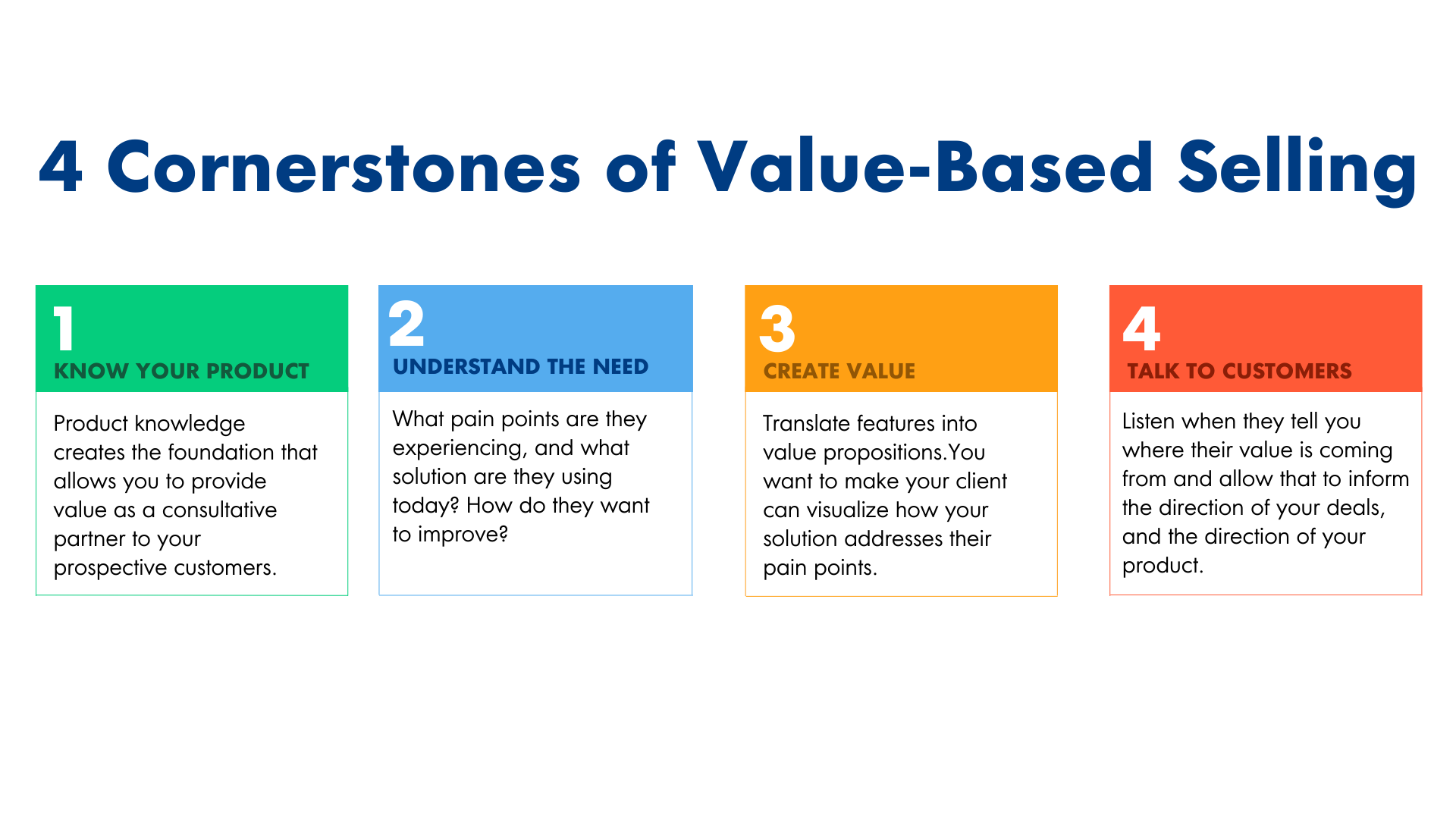
Understanding Value-Based Selling
Value-based selling at monday.com centers on creating meaningful solutions for clients rather than simply pitching features. It shifts the focus from product capabilities to the tangible business outcomes that clients seek. By demonstrating measurable improvements, teams can position themselves as trusted advisors rather than just vendors. This approach encourages deeper engagement and higher adoption rates because customers feel their specific needs are understood and prioritized. In B2B SaaS, where multiple platforms often compete for attention, showcasing real business value is essential to maintain long-term relationships. Value-based selling also strengthens client retention, as companies are more likely to stay with solutions that consistently improve their operations. Leveraging monday.com’s flexible platform, sales teams can translate complex problems into actionable workflows that deliver measurable outcomes.
Organizations that adopt value-based selling prioritize understanding client priorities, mapping processes, and identifying inefficiencies. They move beyond a transactional relationship, building a partnership where solutions are tailored to actual pain points. Using a consultative approach, sales professionals can uncover challenges clients might not even realize exist. By linking every feature or automation to a specific business objective, they establish credibility and trust. This method reduces price sensitivity because clients recognize the strategic impact of the solution. Value-based selling also empowers account managers to uncover expansion opportunities organically, as customers see continuous value in scaling solutions. Ultimately, this strategy turns each client interaction into a chance to reinforce value and strengthen relationships.
Step 1 – Discovering Client Challenges
The first step in value-based selling at monday.com is identifying the client’s real challenges. Asking the right questions is essential to uncover not only surface-level issues but also hidden inefficiencies that may be slowing down operations. Active listening and empathy are key tools during discovery, helping to create an environment where clients feel comfortable sharing their concerns. Sales teams can use monday.com’s workflow mapping features to visualize bottlenecks, redundant processes, and communication gaps. The goal is to gather insights that allow the solution to address actual pain points rather than assumed problems.
Key approaches for discovering challenges include:
-
Conducting detailed interviews with stakeholders from multiple departments
-
Observing workflows and identifying repetitive tasks
-
Analyzing KPIs and performance metrics for areas of underperformance
-
Reviewing project timelines and collaboration tools to find bottlenecks
-
Encouraging clients to describe past pain points and missed opportunities
Effective discovery sets the foundation for connecting the solution to tangible business outcomes. By fully understanding client challenges, sales teams can demonstrate relevance, build trust, and position monday.com as a strategic partner that can drive operational improvements.
Step 2 – Connecting Solutions to Real Business Outcomes
Once client challenges are identified, the next step is to translate them into actionable solutions. Value-based selling focuses on demonstrating how monday.com can improve productivity, reduce errors, and enhance collaboration across teams. Instead of listing features, the sales conversation should highlight the direct impact on business metrics, such as reduced project delays or improved reporting accuracy. Clients need to see that adopting the platform leads to measurable results rather than just incremental changes.
Key ways to connect solutions to outcomes include:
-
Designing customized workflows tailored to each department’s needs
-
Showcasing dashboard analytics to track KPIs in real-time
-
Leveraging automation to reduce repetitive manual tasks
-
Integrating third-party tools to enhance existing workflows
-
Demonstrating ROI by projecting time or cost savings based on current processes
This step strengthens credibility because clients can visualize how the solution solves their problems. It also encourages adoption, as employees see the system aligning with their everyday needs. By linking features to tangible benefits, sales teams create a compelling case for why monday.com is the preferred platform for achieving strategic goals.
Step 3 – Building Trust Through Expertise and Transparency
Trust is the cornerstone of successful value-based selling. Clients must believe that the recommendations provided are both accurate and in their best interest. At monday.com, this trust is reinforced through transparent communication, demonstrating expertise, and providing clear data to support claims. Being open about implementation timelines, pricing, and potential limitations shows integrity and positions the sales team as a trusted advisor rather than a vendor.
Ways to build trust effectively include:
-
Presenting data-backed insights that validate recommendations
-
Sharing examples of workflow optimizations for similar operational challenges
-
Maintaining honesty about platform capabilities and integration requirements
-
Providing consistent support during the evaluation and onboarding phases
-
Engaging multiple stakeholders to ensure alignment across teams
By consistently demonstrating competence and reliability, sales professionals can deepen relationships and strengthen client confidence. Trust fosters long-term partnerships, making clients more receptive to expansions and additional solutions in the future.
Step 4 – Collaborating for Long-Term Partnerships
Collaboration transforms value-based selling from a one-time transaction into a continuous partnership. Encouraging clients to participate in solution design ensures the platform aligns with their evolving business objectives. monday.com’s customizable environment supports co-creation, allowing clients to adapt workflows to meet specific goals while sales teams provide guidance and expertise.
Strategies for effective collaboration include:
-
Hosting joint workshops to identify workflow improvements
-
Encouraging client teams to test and provide feedback on proposed solutions
-
Offering continuous training and resources to ensure adoption
-
Monitoring usage trends and adjusting workflows for optimal efficiency
-
Aligning roadmap updates with client needs for sustained value
Collaborative engagement helps clients view monday.com as a strategic ally, increasing satisfaction and adoption. Regular check-ins and updates ensure that solutions remain relevant, and clients feel empowered to leverage the platform fully. This ongoing interaction also uncovers opportunities for expansion and improvement.
Step 5 – Growing Accounts Through Value Reinforcement
The final step in value-based selling is reinforcing the delivered value to drive account growth. By highlighting measurable successes and tangible improvements, sales teams can naturally identify upsell and cross-sell opportunities. Metrics such as increased team productivity, reduced project cycle times, and better reporting insights provide proof points that clients recognize and appreciate.
Methods to grow accounts effectively include:
-
Tracking KPIs and sharing visual progress reports with stakeholders
-
Suggesting workflow upgrades or additional modules based on evolving needs
-
Maintaining open lines of communication to anticipate challenges early
-
Positioning monday.com as a long-term partner, not just a software tool
-
Encouraging advocacy and referrals from satisfied clients
Reinforcing value ensures that clients perceive ongoing benefits from the platform, which naturally strengthens loyalty. It also allows account managers to expand relationships into new departments or business units, creating a cycle of continuous growth and value creation.
Real-World Applications of Value-Based Selling at monday.com
Value-based selling can be applied across a wide range of industries and organizational structures. For marketing teams, it might mean optimizing campaign workflows to reduce bottlenecks. For operations teams, it could involve automating repetitive tasks to save time and reduce errors. Each application demonstrates measurable outcomes that resonate with stakeholders.
Scenarios that highlight the approach include:
-
Streamlining project management processes to reduce missed deadlines
-
Improving interdepartmental communication through shared dashboards
-
Automating reporting to free up time for strategic initiatives
-
Integrating external tools for a seamless workflow across platforms
-
Customizing workflows to fit unique business operations
By demonstrating clear results, clients are more likely to see monday.com as a critical partner in driving efficiency and growth.
Common Challenges and How to Overcome Them
Even with value-based selling, sales teams face challenges in adoption and client engagement. Some clients focus primarily on price instead of the overall value of the solution. Others may be skeptical of ROI claims or resistant to change within their teams.
Strategies for overcoming these challenges include:
-
Demonstrating clear business outcomes instead of just product capabilities
-
Providing transparent pricing and implementation timelines
-
Offering trial periods or pilot programs to showcase value before full deployment
-
Educating clients on measurable KPIs and reporting features
-
Maintaining ongoing support to address adoption challenges
Overcoming these hurdles ensures that value-based selling remains effective and that clients receive the maximum benefit from monday.com’s platform.
Tools and Features in monday.com That Support Value-Based Selling
monday.com offers a suite of tools that enable effective value-based selling:
-
Workflow automation reduces repetitive tasks and increases productivity
-
Customizable dashboards track KPIs and monitor progress in real-time
-
Collaboration features align internal teams and client stakeholders
-
Integration with third-party tools enhances workflow efficiency
-
Analytics tools provide data-driven insights to support strategic decisions
Using these features strategically allows sales teams to deliver solutions that meet client needs while demonstrating measurable value.
Frequently Asked Questions (FAQ)
1. What is value-based selling, and why is it important for SaaS products like monday.com?
Value-based selling focuses on delivering tangible business outcomes rather than just selling features. For SaaS products like monday.com, it ensures that clients see real value in adopting the platform, which drives adoption and retention.
2. How can I identify hidden client problems effectively?
Effective discovery involves asking probing questions, observing workflows, and analyzing KPIs. Tools like monday.com’s workflow mapping can reveal inefficiencies that clients might not immediately recognize.
3. What are the best ways to measure the value delivered to clients using monday.com?
Tracking KPIs such as time saved, error reduction, improved collaboration, and project completion rates provides measurable proof of value. Dashboards and analytics tools make these metrics visible to clients.
4. How do I maintain client trust while suggesting upgrades or expansions?
Transparency, data-backed recommendations, and clear communication help maintain trust. Showing that suggestions are tied to tangible benefits ensures clients perceive value rather than upsell attempts.
5. Can value-based selling help with both new client acquisition and account growth?
Yes. By demonstrating real business value, sales teams can acquire new clients and identify opportunities to expand existing accounts organically, creating long-term partnerships.
Takeaway
Value-based selling at monday.com transforms sales from transactional pitches into strategic partnerships. By identifying client challenges, connecting solutions to measurable outcomes, building trust, collaborating continuously, and reinforcing value over time, account managers can create deeper engagement and sustained growth. This approach positions monday.com not just as a software platform but as an indispensable business partner that drives operational efficiency, productivity, and long-term success.
Read More: https://openviewpartners.com/blog/value-based-selling-at-monday/