
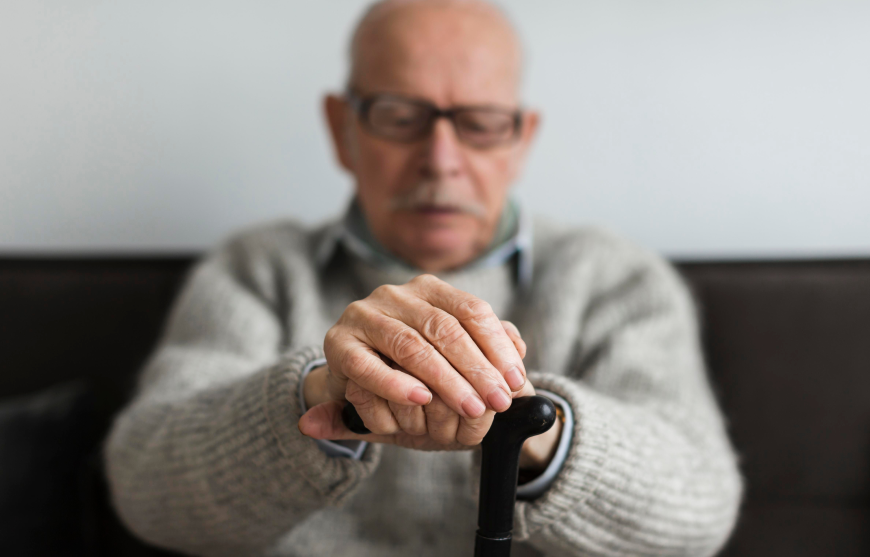
Parkinson’s Disease is a progressive neurological disorder that primarily affects movement and coordination. It occurs when nerve cells in the brain, particularly in the substantia nigra, deteriorate and fail to produce enough dopamine, a chemical responsible for smooth and coordinated muscle movement. Parkinson’s Disease is not limited to one age group but is most commonly diagnosed in adults over 60. Men are slightly more likely to develop the disease than women. While the exact cause of Parkinson’s Disease remains unknown, research has identified multiple contributing factors including genetics, environmental exposures, and lifestyle influences. Understanding the disease’s mechanisms helps patients and caregivers navigate its challenges more effectively. Awareness of Parkinson’s Disease can also reduce stigma and encourage earlier intervention, which is crucial for managing symptoms.
Early Warning Signs and Symptoms
Recognizing Parkinson’s Disease early can greatly improve quality of life and treatment outcomes. Motor symptoms are the most noticeable and include tremors, particularly in the hands, fingers, or jaw, which often occur while at rest. Bradykinesia, or slowness of movement, can make routine tasks like buttoning a shirt or writing difficult. Rigidity, characterized by stiff muscles and decreased range of motion, can lead to discomfort and decreased mobility. Postural instability may cause balance problems, increasing the risk of falls. Non-motor symptoms are also significant and often appear before motor issues, including sleep disturbances, depression, anxiety, constipation, and cognitive changes. Recognizing both motor and non-motor symptoms is critical for early diagnosis. Early intervention strategies can help slow symptom progression and maintain independence for longer periods.
Causes and Risk Factors
The exact cause of Parkinson’s Disease is complex and multifactorial. Genetic mutations play a role in some cases, particularly in families with a history of Parkinson’s. Environmental factors, such as prolonged exposure to pesticides, herbicides, or heavy metals, have been linked to an increased risk. Head injuries and repeated trauma to the brain may also contribute. Age remains one of the strongest risk factors, with most diagnoses occurring after age 60, though younger individuals can also develop Parkinson’s Disease. Men are slightly more prone to the disorder than women. Researchers continue to explore how lifestyle factors, such as diet, exercise, and overall health, influence disease risk. Identifying these factors is important for prevention strategies and personalized care approaches.
Diagnosis and Medical Evaluation
Diagnosing Parkinson’s Disease requires a comprehensive approach, as no single test can confirm the condition. Doctors typically rely on medical history, neurological examinations, and observation of symptoms over time. Imaging tests, such as MRI or DaTscan, can help rule out other conditions and assess the integrity of the dopamine system. Differential diagnosis is essential because other movement disorders, including essential tremor and progressive supranuclear palsy, can mimic Parkinson’s symptoms. Early-stage Parkinson’s Disease can be challenging to identify due to subtle or intermittent symptoms. Physicians may also assess response to Parkinson’s medications as part of the diagnostic process. Accurate diagnosis ensures that patients receive appropriate treatment and management strategies from the outset.
Treatment and Management Options
While there is currently no cure for Parkinson’s Disease, several treatment strategies help manage symptoms and maintain quality of life.
- Medications: Levodopa remains the most effective treatment, often combined with carbidopa to enhance absorption and reduce side effects. Dopamine agonists and MAO-B inhibitors can supplement dopamine levels or mimic its effects.
- Surgical interventions: Deep Brain Stimulation (DBS) involves implanting electrodes in specific brain areas to regulate abnormal signals and improve motor function.
- Lifestyle modifications: Regular exercise improves mobility, balance, and flexibility, while a healthy diet supports overall brain health. Stress reduction techniques, such as meditation or yoga, can alleviate both physical and mental symptoms.
- Therapies: Physical therapy focuses on movement and strength, occupational therapy on daily activities, and speech therapy on communication challenges.
Combining medical, surgical, and lifestyle approaches provides a comprehensive management plan. Each patient’s treatment is highly individualized, reflecting their specific symptoms and disease progression. Consistent monitoring and adjustments by healthcare providers ensure optimal outcomes over time.
Living with Parkinson’s Disease
Daily life with Parkinson’s Disease involves both physical and emotional adjustments. Motor symptoms can make walking, writing, and performing household tasks more challenging. Mental health support is crucial, as depression, anxiety, and cognitive changes are common among patients. Support networks, including family, caregivers, and Parkinson’s organizations, play a key role in emotional well-being and practical assistance. Assistive devices, from walking aids to adaptive utensils, help maintain independence and safety. Patients are encouraged to remain socially active and engaged in hobbies to improve quality of life. Understanding the disease and planning ahead for changes in mobility, communication, and daily routines can reduce stress for both patients and caregivers.
Research and Future Directions
Ongoing research offers hope for more effective treatments and potentially preventative strategies for Parkinson’s Disease. Clinical trials are exploring neuroprotective medications designed to slow disease progression rather than just manage symptoms. Advances in gene therapy and stem cell research aim to restore or replace damaged neurons. Personalized medicine approaches, including therapies tailored to individual genetic profiles, are being tested. Researchers are also studying environmental and lifestyle interventions to reduce risk and delay onset. Understanding the disease at a molecular level may reveal new therapeutic targets. Staying informed about these developments empowers patients and caregivers to explore emerging options under medical guidance.
Frequently Asked Questions
What is the average life expectancy for someone with Parkinson’s Disease?
Life expectancy varies but many individuals live decades after diagnosis with proper management. Complications from falls or advanced disease stages can affect outcomes.
Can Parkinson’s Disease be prevented?
There is no guaranteed prevention, but healthy lifestyle habits and avoiding environmental toxins may reduce risk. Early detection also allows for interventions that may slow progression.
Are there specific diets that help manage PD symptoms?
Diets rich in fruits, vegetables, whole grains, and lean proteins support brain health. Some patients benefit from high-fiber or protein-timed meals to improve medication effectiveness.
How quickly do symptoms progress in Parkinson’s Disease?
Progression varies; some patients experience slow symptom development over decades, while others may have more rapid changes. Monitoring and early intervention help manage progression.
Can young adults develop Parkinson’s Disease?
Yes, early-onset Parkinson’s can affect individuals under 50, though it is less common. Genetic factors are often more significant in younger patients.
How can caregivers best support someone with PD?
Caregivers provide emotional support, assist with daily tasks, encourage physical activity, and help manage medications and appointments. Support groups are also valuable.
Takeaway
Parkinson’s Disease is a complex condition that affects both body and mind, requiring comprehensive care and proactive management. Understanding its symptoms, causes, and treatment options empowers patients and caregivers to make informed decisions. Early recognition, regular medical care, and lifestyle strategies can significantly improve quality of life. Ongoing research offers hope for new therapies and interventions in the future. Social support, adaptive tools, and mental health resources are essential components of living well with Parkinson’s Disease. Knowledge, preparation, and community involvement are key to navigating the challenges of this condition effectively.